%20(1).png)
5 Candidate Screening Methods (Plus the Best Tools to Use)
Learn the five most common screening methods, why they matter, and how the right tools help teams hire faster with clearer decisions.
.png)

If you’re new to HR or recruitment, building a hiring pipeline can easily feel bigger than it really is when you’re just getting started. As new roles open up, suddenly you’ve got urgent positions coming at you all at once, and before long, it’s tough to figure out what to tackle first.
The good news is that you don’t need advanced experience to set up a clear and effective pipeline. By putting a simple structure in place, you can bring in candidates at a steady pace, screen them with less friction, and move faster without the usual stress. Once you understand the flow and each step has a clear purpose, the work becomes far more manageable.
To make this easier, this guide breaks the process into seven beginner-friendly steps. You’ll also find checklists and templates you can start using right away. So whether your team is growing or you’re just aiming for a cleaner and more efficient system, this framework will help you build a hiring pipeline that stays steady, structured, and easy to run.
A hiring pipeline is a simple workflow that shows where each candidate stands from the moment they apply or are sourced until the offer stage. It lays out each step from screening to interviews and final decisions. This helps your team see progress without digging through scattered notes.
Instead of treating each role like a new rush, a pipeline gives you a steady path to follow. The stages stay the same, and nothing gets lost along the way. It also keeps everyone aligned so the process feels less chaotic.
Before diving into the steps, it helps to understand why a hiring pipeline matters in the first place. Knowing the purpose behind it makes the rest of the process easier to follow and easier to apply in real situations. The points below show how a clear pipeline supports both new HR teams and growing organizations.
1. Clarity for everyone involved
Clear stages make it easier to understand what comes next. This helps HR beginners who may still be learning the flow. With defined steps, you move with more confidence.
2. Fewer delays
A pipeline helps you spot where candidates stall. You can act before the process drags or a good candidate disappears. This matters when you’re juggling many roles at once.
3. Better experience for candidates
When the path is visible, people feel informed and less anxious. Steady communication also supports your company’s reputation. It makes the hiring journey feel more respectful.
4. Higher quality hires and lower cost
A steady pipeline lets you build a small pool of ready candidates. You avoid last-minute rushing and hasty decisions. This saves time and reduces hiring expenses.
See also: The Ultimate Guide to Full Cycle Recruiting
When you build a hiring pipeline, it helps to see it as a series of steps that guide candidates from the first touchpoint to the final decision. Each stage gives you more information and narrows the pool in a steady way. Names may differ from one company to another, but most teams follow a similar path.
Here are the usual stages:
1. Sourcing
This is the point where you start bringing people into your pipeline. You use job ads, referrals, social platforms, and talent groups to build a pool before any screening begins.
2. Screening
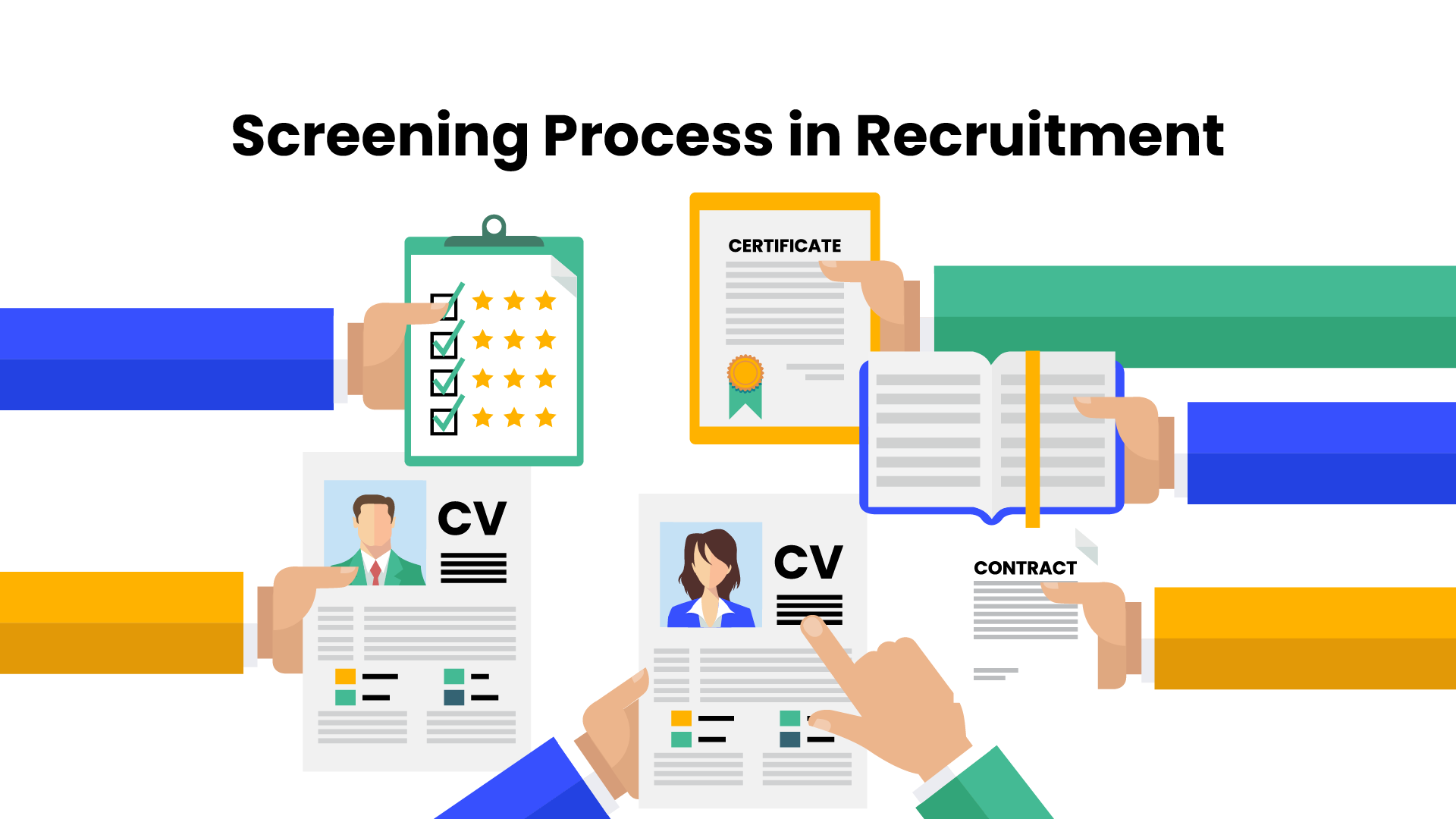
Once you have that pool, you sort through resumes and run short calls to remove clear mismatches. This helps you focus only on candidates who deserve a closer look.
4. Interviewing/ Assessment
From there, the stronger candidates move into deeper checks through structured interviews, simple tests, or practical tasks. This is where you find out whether they can handle the work and mesh well with the team.
5. Offer and Negotiation
After you identify your top choice, you send an offer and sort out details like pay, benefits, and start dates. This step sets the stage for their move into the team.
6. Onboarding (or Hired)
Once the offer is accepted, the person becomes a new hire and begins onboarding. This gives them the support they need to settle in and start their role with clarity.
With a clear picture of what a hiring pipeline does and why it matters, you can start building one with more confidence. To help you move from ideas to action, this section guides you through a simple seven-step framework made for beginners who handle urgent hiring needs and want a steadier system.
Begin by deciding what you want your hiring process to achieve. You might aim for shorter time-to-fill, stronger candidate quality, or better offer acceptance. From there, pick a few metrics to check often, such as how long each stage takes or how well each source performs.
Before building anything new, take a moment to look at how things work today. Note how roles are opened, posted, sourced, screened, and approved. This simple map shows where slow points or gaps appear, which makes the next steps clearer.
With your current process in view, plan how you’ll bring in candidates ahead of time. Choose the channels you’ll rely on, shape the messages you want people to see, and think about how you’ll keep a small pool of ready talent. This shift helps you stay prepared instead of rushing once a role opens.
Once your sourcing plan is set, the next step is to create clear and steady candidate screening and interview stages. Begin by outlining simple evaluation tools such as resume scorecards, structured question sets, and basic rating guidelines. These keep assessments fair and remove the guesswork for both HR and hiring managers.
You can also strengthen this stage with tools like KitaHQ, which helps automate CV screening and early interview steps so you can spot the right candidates sooner and with less cost. It works by asking role-based questions, recording answers, and reviewing responses to highlight candidates worth deeper attention.
If you’d like to streamline this part of your pipeline even further, you can try KitaHQ and see how it fits your workflow.
See also: 15 Top Video Interviewing Softwares (and What Makes Them Unique)
As your process takes shape, you’ll need a way to keep track of everything. Use an ATS or simple dashboards that show where each candidate stands. This visibility helps you catch delays early and keep the pipeline moving at a steady pace.
With your tools in place, prepare short messages for each stage. These cover acknowledgements, interview notes, test instructions, and final decisions. Clear and steady communication makes candidates feel informed and leaves a better impression of your team.
Once the pipeline is running, return to the metrics you set at the start. Look for slow stages, high drop-offs, or sources that don’t bring strong candidates. Small adjustments over time keep the pipeline steady and easier to manage.
A strong hiring pipeline depends not only on the steps you follow but also on the traps you learn to avoid. New HR teams often stumble in similar areas, and these slip-ups can slow hiring far more than expected. Knowing these patterns early helps you build a process that feels smoother and easier to manage.
Urgent roles often trigger a sense of pressure that pushes teams to move too quickly. This hurry leads to weak matches who may struggle once they join which will create more work later. It also forces hiring managers to restart the search sooner than planned.
Tip: Add small time buffers so you can stay prepared rather than reactive.
Many teams fall into the habit of recycling old descriptions without checking whether the role has changed. Vague or cluttered descriptions attract the wrong applicants and create extra screening work. Strong candidates may also walk away because the expectations seem unclear.
Tip: Work with the hiring manager to clarify must-have skills and what success looks like.
Some teams rely on improvised interviews that vary from person to person. This makes it harder to compare candidates and increases the chance of bias. Interviewers can also feel unsure about what they should focus on.
Tips: Set a shared screening guide so every interviewer follows the same path, and consider simple tools like KitaHQ to support early screening in a steady and consistent way.
Communication often slips once workloads rise and hiring activity increases. Long gaps or uncertain timelines leave candidates uneasy, which pushes many toward other opportunities. Even strong candidates may withdraw simply because they feel left in the dark.
Tip: Keep candidates informed with short, steady updates and clear timelines.
Some teams trust instinct but overlook simple metrics that reveal hidden issues. Without clear numbers, recurring delays or drop-offs remain a mystery. It also becomes difficult to give hiring managers a clear explanation of what’s slowing things down.
Tip: Pick a few simple metrics and check them regularly.
Teams often fall back on familiar channels, which limits the reach of their search. This habit shrinks the pool and keeps great talent out of sight. It also leads to fewer fresh perspectives entering the process.
Tip: Mix your sourcing channels and focus on practical skills when reviewing profiles.
Some pipelines grow too fast and gather more steps than they need. Extra interviews or approvals drag the process out and test the patience of both candidates and internal teams. Delays like these can make strong candidates choose faster-moving companies.
Tip: Keep the structure lean at first and add complexity only when it’s clearly needed.
See also: 9 Best AI Interview Tools to Speed Up Hiring Across Asia in 2025
AI is reshaping how teams manage hiring, not by taking over the process but by easing the workload. Many new HR professionals handle large applicant numbers and tight deadlines, so the support can make a real difference. With routine tasks handled in the background, you get more space to focus on the people behind each application.
Early-stage tasks tend to consume much of the day, and that slows everything else down. Reading resumes, arranging interviews, and sending updates take time that could be used for deeper evaluation. Light automation helps move candidates through these early steps with less strain while you stay in control of the decisions that matter.
With the basics in mind, it helps to look at where AI fits into the day-to-day work of a hiring pipeline. The support it provides isn’t about replacing judgment but easing the parts that tend to slow teams down. These areas below show where AI can make the process feel lighter and more manageable.
AI can look through wide talent pools and suggest people who match your needs. This makes it easier to spot strong profiles you might have missed on your own. It can also surface candidates who haven’t applied but still fit well.
Instead of scanning each resume by hand, AI can filter and rank applicants based on the criteria you set. This gives you a clearer starting point and frees up time for more thoughtful reviews. You can then focus on the candidates who stand out.
Some tools help with early interviews by reviewing candidate responses and creating short summaries. This reduces the need to replay every detail, which saves time in busy periods. It also helps you notice patterns that may not appear on resumes.
Simple automations can send reminders, help with scheduling, and keep responses timely. This steady communication keeps candidates engaged and less likely to drift away. It also gives them a clearer sense of what to expect next.
To help you put this guide into action, we’ve created a free Hiring Pipeline Starter Checklist that matches the seven steps outlined above. It includes space for goals, sourcing plans, screening steps, communication notes, and simple trackers you can adjust for any role.
Instead of building everything from the ground up, you can use the checklist, fit it into your workflow, and start shaping a clearer hiring pipeline today.