%20(1).png)
5 Most Common Candidate Screening Methods (Plus Recommended Tools)
Explore most common candidate screening methods recruiters can use to build a better shortlist.
.avif)
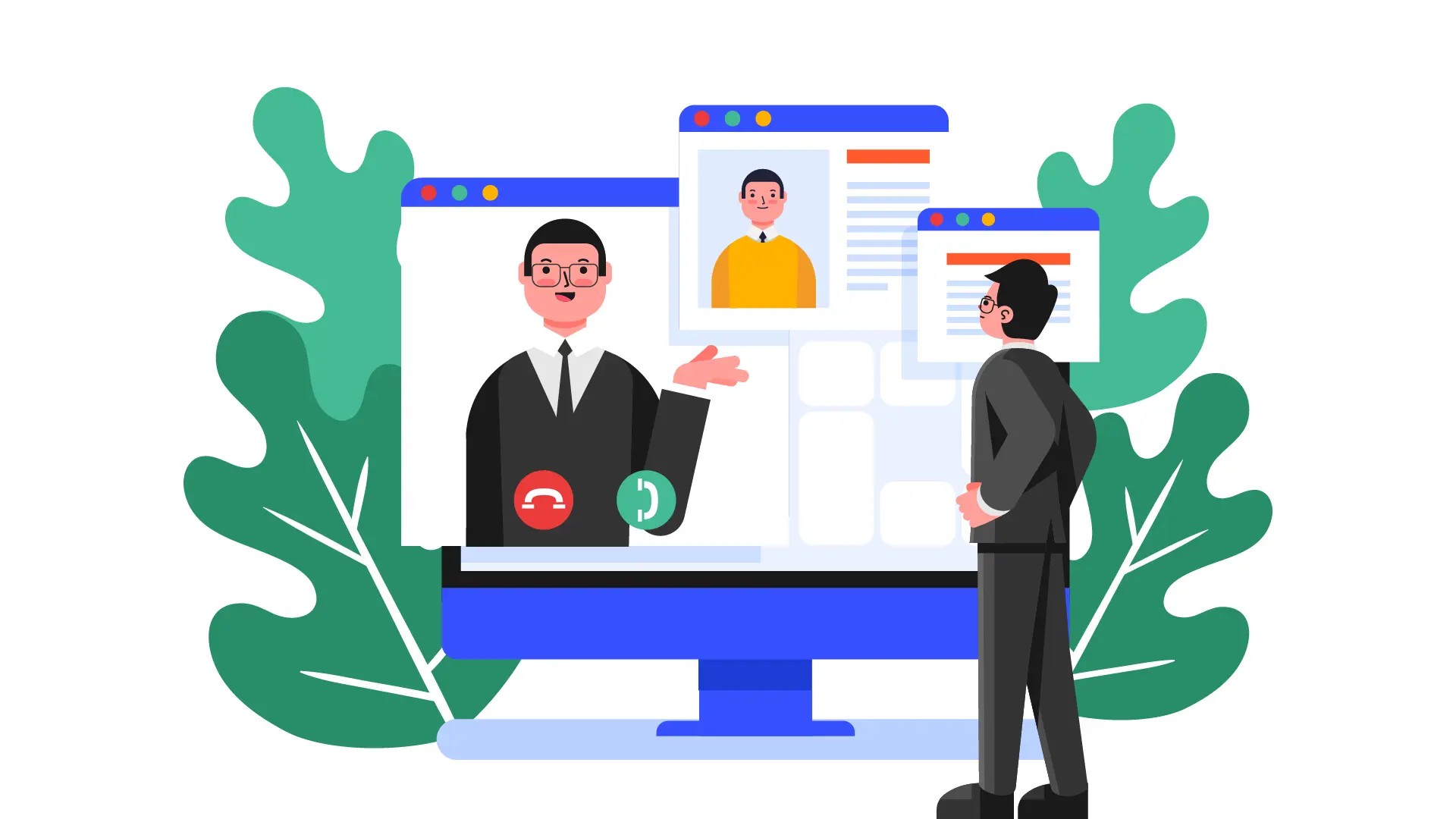
Choosing video interview software is less about finding the platform with the most features, and more about finding the one that matches your hiring workflow. Some teams need structured first-round interviews without scheduling. Others need live interviewing, deeper assessments, stronger collaboration, or broader ATS functionality.
In this guide, the tools are compared based on interview format, hiring volume fit, multilingual support, reporting outputs, workflow flexibility, and where each platform is strongest or less suitable.
Before comparing vendors, define the part of the hiring process you are trying to fix.
Many teams make the mistake of choosing video interview software based on surface-level features, such as branding, recording, or calendar links. Those features matter, but they do not answer the bigger question:
What hiring workflow should this tool improve?
Use these questions first.
The right tool should match your workflow. A simple one-way video tool may be enough for small teams. A larger enterprise may need structured interview management. A high-volume recruiter may need AI video interview, automated invites, candidate reports, and review workflows.
Below, we’ve listed 10 of the top video interview platforms. Some are built for structured first-round screening, some combine interviews with deeper assessments, and some work better as part of a wider hiring stack. Use the comparison table first, then review the tools that match your workflow.
Quick comparison table
KitaHQ is a strong fit for teams that want structured first-round interviews without scheduling, especially in high-volume or repeatable hiring.
It is built for early-stage screening, multilingual interview workflows, and manager-ready interview outputs such as summaries, transcripts, recordings, and structured scores.
Core Features:
Best fit:
KitaHQ works best for companies hiring for repeatable roles across industries such as education, retail, hospitality, customer service, operations, staffing, sales, and branch-based hiring.
It is especially useful when resumes alone do not show how candidates communicate, respond to scenarios, or fit the role.
Limitations:
HireVue is a video interview platform with built-in AI features, designed for large companies that hire at scale. It helps reduce screening time and creates a more structured and consistent interview process, making it suitable for teams with frequent, high-volume hiring needs.
Core Features:
Best fit:
HireVue is best suited for enterprise hiring teams with high-volume recruitment needs, structured hiring processes, and global candidate pools.
It works well when companies need a mature video interview platform that can support large-scale screening and standardized interview workflows.
Limitations:
HireVue may be more than smaller teams need. It is likely a better fit for companies with established recruitment operations, larger hiring volumes, and the resources to manage an enterprise-level platform.
Spark Hire is a user-friendly video interviewing platform designed for fast, easy, and collaborative hiring, especially useful for small to mid-sized businesses and staffing agencies. It supports both one-way and live interviews with strong collaboration tools and ATS integrations.
Core Features:
Best fit:
Spark Hire is a strong fit for SMBs and staffing teams that need an easy-to-use video interview tool with good collaboration features. It works well when multiple hiring stakeholders need to review, comment on, and compare candidate responses without a complex setup.
Limitations:
VidCruiter is an Interview Management System (IMS) that helps companies run structured and fair hiring. It supports both one-way and live video interviews. The platform includes tools for smart scheduling, AI-made interview notes, language support, and strong data security. VidCruiter works well for companies with many hires and teams in different countries.
Core Features:
Best fit:
VidCruiter is best suited for companies that need a highly structured and configurable interview process. It works well for larger hiring teams, public sector organizations, and global companies that need consistency across interview stages, locations, or departments.
Limitations:
See also: 7 Powerful Benefits of AI in Recruitment You Shouldn’t Ignore
Harver is a hiring platform that combines video interviews with pre-hire assessments. It helps companies look at more than just resumes by using tests and structured interviews. The platform is useful for global hiring and supports automated and collaborative processes. It follows strong data privacy and security standards.
Core Features:
Best fit:
Harver is best suited for companies that want video interviews and assessments in one hiring workflow. It works well for teams hiring at scale across repeatable roles, especially when they need to evaluate candidates beyond resume screening.
Limitations:
Jobma is a video interview platform with AI-supported interview and assessment features. It supports one-way interviews, live interviews, audio responses, written responses, coding tests, and multiple-choice assessments.
Core Features:
Best fit:
Jobma is a good fit for companies that want multiple candidate evaluation formats in one platform. It can work well for teams that need video interviews, coding tasks, written responses, and structured screening across different role types.
Limitations:
Avature is a video interview platform that also works as an ATS and CRM system. It is designed for large companies that need flexible hiring steps and want to connect with global talent. The platform supports both live and recorded video interviews, uses AI to help find the best candidates, and offers multiple language options. Avature is useful for teams that handle many job openings and need strong tools that can be customized.
Core Features:
Best fit:
Avature is best suited for enterprise teams that need a broad recruitment platform rather than a standalone video interview tool. It works well when companies need ATS, CRM, workflow automation, reporting, and video interviewing inside one configurable system.
Limitations:
Workable is an applicant tracking system with built-in video interview features. It is designed for small to mid-sized teams that want job posting, candidate tracking, sourcing, collaboration, and video Q&A in one recruitment platform.
Core Features:
Best fit:
Workable is a good fit for teams that need an ATS with video interview functionality included. It works well for companies that want a broader recruitment platform instead of buying a standalone video interview tool.
Limitations:
InterviewFlowAI is an AI-powered video and voice interview platform designed to automate first-round screening. It conducts dynamic, two-way interviews, evaluates candidates in real time, and delivers ranked results, helping recruiters reduce manual effort and speed up hiring decisions.
Core Features:
Best fit:
InterviewFlowAI is a good fit for teams exploring conversational AI interviews. It may work well for recruiters who want candidates to complete AI-led interviews without live scheduling and receive structured outputs afterward.
Limitations:
See also: DEI Hiring Strategies: Creating Opportunities for a Fairer Future
NeoRecruit is an AI-driven interview platform that uses conversational avatars to conduct real-time, adaptive interviews. It combines screening, evaluation, and fraud detection in one system, helping teams assess candidates at scale while maintaining structured, data-backed hiring decisions.
Core Features:
Best fit:
NeoRecruit is a good fit for companies that want AI-led interviews and structured candidate review in one workflow. It may be useful for teams handling high-volume hiring and looking for a more automated way to screen candidates before recruiter review.
Limitations
More features do not always mean a better hiring workflow.
A large enterprise platform may look impressive, but if your recruiters only need structured AI video interviews and clear candidate reports, a focused platform may be easier to adopt.
If recruiters are losing time scheduling early calls, live interview software may not solve the bottleneck.
In that case, look for tools that let candidates complete interviews on their own time and allow recruiters to review responses later.
Recorded answers are useful, but they are not always enough.
For many hiring teams, the real value comes from structured questions, transcripts, summaries, scores, and interview reports that help recruiters and hiring managers compare candidates more clearly.
If candidates speak different languages, a simple English-only workflow may limit your talent pool.
For regional or cross-border hiring, check whether the tool supports multilingual interviews, transcripts, and recruiter review outputs.
AI should support candidate screening and review, not replace recruiter or hiring manager judgment.
The right workflow should help teams review candidates more consistently while keeping humans responsible for deciding who moves forward.
No single video interview software is best for every team. The better question is which platform fits your workflow. If you need structured first-round interviews, multilingual support, and manager-ready interview outputs for high-volume or repeatable hiring, KitaHQ is one of the stronger fits on this list. See AI Video Interview page for a deeper look at how it works.
KitaHQ is an AI hiring software that helps teams screen faster, run first-round interviews, and evaluate candidates consistently.